Renewing Friendships
Why Shared History Isn’t Enough
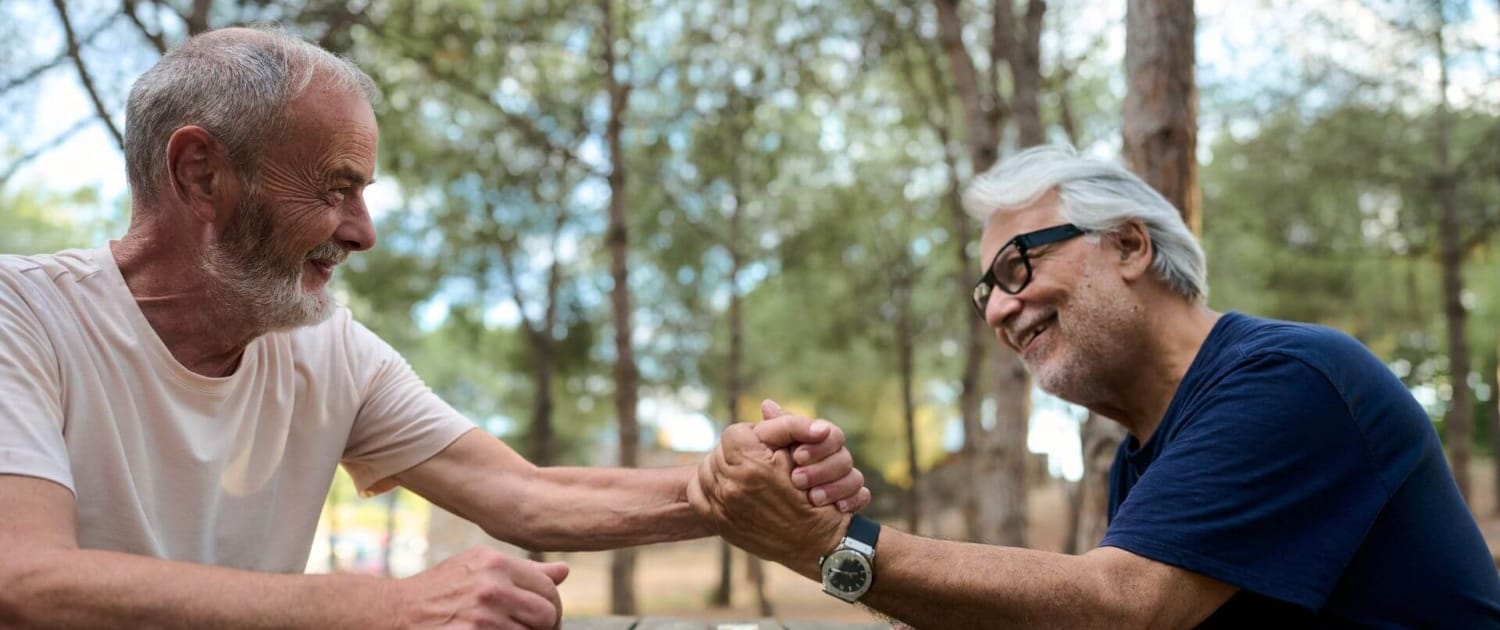
The café was loud – the kind of noise that used to feel like energy, but now just felt like a wall between us. His hands wrapped around his beer glass, fingers tapping once, twice. A nervous habit I’d forgotten, like a half-remembered song. It was like finding a photo of myself in an old album: familiar, but not me.
I was meeting a friend I’d studied with at university. Twenty years had passed since we’d last seen each other.
At some point, he mentioned we’d been friends for twenty years. I said I wasn’t sure that was true.
Our regard for each other, what we called friendship, was based on who we’d been back then. To call it friendship now, we’d have to get to know each other as we are today. Not as we were.
He went quiet.
Then he agreed.
Old Friendships
Our conversation did what most reunions do: we moved through the shared inventory. People we both knew. Stories that belonged to versions of us that no longer existed. There was warmth, yes, but it was the warmth of recognition, not knowing. I recognized the cadence of his voice, the rough outline of the boy he’d been at twenty-one. But that boy wasn’t sitting across from me.
At some point, the inventory runs out. You’ve talked about work, kids, the highlights. You’re all caught up on mutual acquaintances. You’ve laughed at the same old stories so many times the laughter feels rehearsed.
Back then, we’d finish each other’s sentences. Now, we finished each other’s stories – the ones we’d told a dozen times before. The laughter was still there, but it echoed, hollow.
“We should do this again soon,” he said. I heard the same note of hope and doubt in his voice that I felt in mine.
And so we did, a couple of times. But the meetings grew less frequent, the gaps between them stretching longer. Everyone called it life getting busy. Which was true.
And also convenient.
The Archive
Most long adult friendships aren’t maintained. They’re preserved.
The nineteen-year-old who sat near you in lectures. The twenty-five-year-old you travelled with. They were real friendships. But you’re no longer friends with that person, because that person doesn’t exist anymore. You’re friends with an archive.
The archive is comfortable. But archives don’t hold hands. They don’t ask how you’re really doing. They just sit there, waiting for you to open them up again.
To actually update them means showing who you have become. Where you got harder or more uncertain. What you stopped believing. What broke and didn’t fully repair.
And I realized, as I watched his fingers tap against the glass, that I was holding my breath. Because the truth was, I’d spent the last five years pretending I still believed in the things we’d bonded over back then – the easy certainties, the shared dreams. But I didn’t. Not anymore. And if I told him that, if I admitted that the person who’d once sat next to him in lectures no longer existed, would he look at me the way I was looking at him – like a stranger with a familiar face?
The archive protects you from discovering that the person who once loved who you were, might not feel any connection to who you became.
Most people would rather be known fondly and incompletely than known accurately. The archive makes that possible.
What I said to him interrupted that. It named what neither of us had dared to say.
Renewing Friendships
He went quiet. That’s what usually happens when someone says something you haven’t examined. It wasn’t disagreement, just the pause before the thought catches up.
Then he agreed. Then we talked, actually talked, for the first time. Not about who we used to know or what we used to do, but about what had happened in the years between. What we’d become. What we were still figuring out. We’ve had many conversations since.
I don’t think what we have now is twenty years old. I think it’s a few years old, at most. The twenty years before were something else: it was friendship then.
Proof that we’d existed in the same place at the same time.
That counts for something.
It just isn’t friendship now.
The question, when you sit across from someone you’ve known that long, is simpler and harder than whether you still like each other.
It is whether you’re willing to find out who they actually are now.
To skip the inventory and ask something real. To risk that the current versions of you don’t fit the way the old ones seemed to.
Most people feel that risk and retreat into the old stories instead. It’s warmer. It costs nothing.
Most friendships never have that moment. They just keep running the old material until there isn’t any left, and then they quietly stop.
Shared history is like a photo album. You can flip through it forever, but the people in the pictures never age. To know someone now, you have to step out of the album and into the room with them.
When was the last time you did that?